January 15, 2026
Why Organic Matters: The Science Behind Chemical-Free Farming
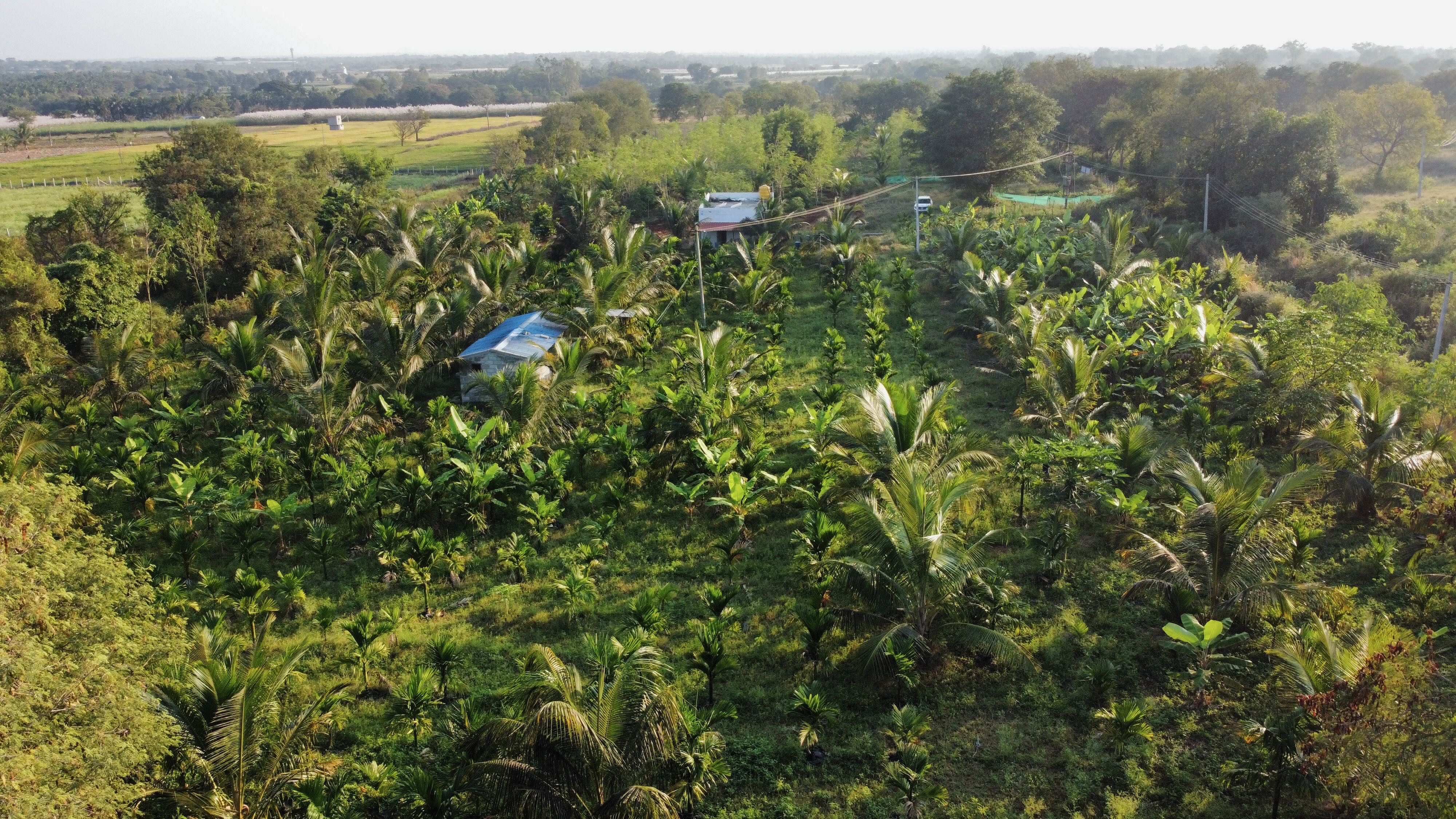
When we say “organic,” we don’t just mean trendy labels or marketing terms — we mean a way of farming that works with nature instead of against it. At its core, organic farming is about feeding the soil, protecting biodiversity, and keeping harmful chemicals out of our food, water, and air.
Conventional agriculture often relies on synthetic fertilizers and pesticides to push for higher yields. These inputs may boost production in the short term, but they come with hidden costs: degraded soil structure, loss of beneficial microbes and insects, contamination of groundwater, and contribution to air pollution and greenhouse gas emissions. Over time, soils treated this way can become compacted, less fertile, and more dependent on external chemicals just to maintain yields.
Organic systems take the opposite approach. By using compost, animal manures, green manures, and biofertilizers, organic farms increase soil organic matter and support a rich web of life underground — earthworms, fungi, and bacteria that naturally cycle nutrients and build stable soil structure. Studies show that organically managed soils typically have higher levels of organic matter and humified carbon, which means better water-holding capacity, improved fertility, and greater resilience to drought and extreme weather.
This living soil doesn’t just help plants grow; it also stores more carbon, helping to buffer climate change. Organic fields generally host more plant species, insects, and pollinators, with some surveys finding around 50% more overall biodiversity and up to 30% more pollinators than on conventional farms. That diversity acts like ecological insurance, making the whole farm system more stable and less vulnerable to pests and diseases.
What about the food itself? Research comparing organic and conventional crops finds a mixed picture on basic nutrients, but a consistent trend on “quality” aspects. Some large meta-analyses report that organic crops tend to have higher levels of certain antioxidants and phytochemicals, while conventional crops more often carry pesticide residues and sometimes higher levels of contaminants like cadmium. In simple terms, organic food is less likely to bring unwanted chemicals to your plate, and often delivers more of the plant’s natural protective compounds.
The concern about synthetic pesticides is not abstract. Excessive or careless use can contaminate soil and water, disrupt aquatic ecosystems, kill beneficial insects, and contribute to long-term health risks for people exposed through food, water, or farm work. Traces of older, banned pesticides have even been detected in human tissues in some regions, underscoring how persistent these chemicals can be once released into the environment.
Organic farming is not perfect, and it is not the only solution we need. But the scientific evidence is clear on a few key points: building soil organic matter, reducing synthetic inputs, and supporting biodiversity all move us toward more resilient farms, cleaner ecosystems, and safer food. That is why, for us, “organic” is not just a label — it’s a commitment to grow food in a way that cares for the land, the farmer, and the families who eat from it.